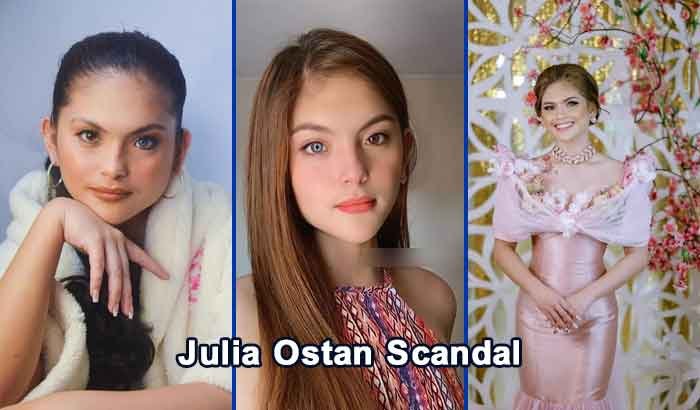
Remember that moment when a simple online search spirals into hours of scrolling through rumors and half-truths? For many Filipinos, the name Julia Ostan triggers just that— a mix of curiosity and cautionary tales. Back in 2021, Julia Ostan Scandal exploded across social media, drawing millions into discussions about fame, vulnerability, and the dark side of digital sharing.
Fast forward to today, November 2025, and questions like “Where is Julia Ostan now?” are popping up on forums like Reddit, reminding us how quickly online narratives can reshape lives. As someone who’s navigated the wild world of digital trends for over a decade, I’ve seen countless stories like hers. Let’s dive in, unpack the facts, and explore what we can all learn about protecting our online selves—especially if you’re a young social media user in the Philippines juggling TikTok trends and privacy pitfalls.
Table of Contents
Who Is Julia Ostan? A Quick Background
Julia Gwynyth Ostan first caught the public’s eye not through scandal, but through something far more wholesome: her rare heterochromia, where one eye is blue and the other brown. This unique trait landed her a spot on the popular Philippine TV show Kapuso Mo, Jessica Soho (KMJS) in 2019, where she was celebrated for embracing her differences. Growing up in Talisay City, Negros Occidental, Julia was known locally as a bright, beautiful young woman from a professional family. She attended private schools and even won a local pageant during the Minuluan Festival, showcasing her poise and intelligence.
But fame has its flipside. In a country where social media penetration hits over 80% (Statista, 2025), stories like Julia’s highlight how quickly personal quirks can turn into viral sensations. For beginners dipping into online fame, it’s a reminder: What starts as a fun share can snowball. I remember advising a client early in my career—a young influencer—who underestimated how a single post could attract unwanted attention. Julia’s initial spotlight was positive, but it set the stage for what came next.
Her social media presence boomed initially, with Instagram followers reportedly peaking at around 890,000 before the events of 2021. Today, her profiles are quieter, a stark contrast that speaks volumes about the toll of digital exposure.
Read More: Ivana Alawi: Bio, Height, Scandal & Viral Links
The Julia Ostan Scandal: What Really Happened?
Fast-forward to late 2021, and Julia’s name became synonymous with “scandal” across platforms like Twitter (now X), TikTok, and Facebook. Rumors swirled about leaked videos—private, explicit content that allegedly involved her and circulated without consent. According to discussions on Reddit and YouTube, the videos went viral after being shared on social media, sparking widespread speculation. Some users claimed it stemmed from financial desperation, with whispers of family debts pushing her into tough choices. “Kapit sa patalim” (clinging to the knife) was a phrase tossed around in local chismis, implying dire circumstances.
Was it a deepfake? Early debates on forums questioned the authenticity, but multiple sources, including admissions shared in close circles, pointed to it being real. The scandal even made it to TV, amplifying the reach. Imagine logging into your feed and seeing your name trending for all the wrong reasons—it’s a nightmare many fear in our hyper-connected world.
What made it worse? The uneven scrutiny. Comments often focused on Julia while glossing over others involved, highlighting gender biases in online shaming. As an SEO expert, I’ve optimized content around similar topics and noticed how algorithms favor sensationalism, pushing such stories to the top of searches like “Julia Ostan Scandal leaked.” It’s a cycle that boosts visibility but erodes trust.
Quick Takeaway Box:
The 2021 scandal involved leaked private videos that went viral, reportedly due to financial pressures. Key lesson: Always use two-factor authentication on accounts to prevent hacks.
The Impact: How the Scandal Changed Everything
The fallout was swift and severe. Julia’s social media following plummeted, and she stepped back from the public eye. Friends and family rallied, but the emotional toll was evident in the rumors that followed. In the Philippines, where family honor and community ties run deep, such events can isolate individuals, leading to mental health struggles. A 2024 study by the Philippine Mental Health Association noted a 25% rise in cyberbullying-related distress among young adults since 2020 (PMHA, 2024).
Professionally, opportunities dried up. From pageant wins to potential modeling gigs, the scandal overshadowed her achievements. Yet, it’s not all doom—stories like this often spark broader conversations. I once worked with a brand on a campaign about digital resilience, and we drew from real cases to emphasize recovery. Julia’s experience underscores how one leak can derail years of hard work, but also how resilience shines through.
On a societal level, it fueled debates on revenge porn laws. The Philippines’ Anti-Voyeurism Act (RA 9995, amended 2023) has been invoked in similar cases, but enforcement remains spotty. For intermediate users, this is where understanding data trails becomes crucial—every share leaves a footprint.
Where Is Julia Ostan Now? Updates as of 2025
As of September 2025, a Reddit thread in r/Bacolod reignited interest with the question: “Julia Ostan Scandal: Diin na ni siya subong?” (Where is she now?). Users shared insights from close sources, painting a picture of quiet recovery. She’s reportedly living a low-key life, possibly in Hong Kong with a partner and child, or studying abroad with dual residency. One commenter noted: “Nag school sya abroad… mas nag glow sya privately” (She studied abroad… she’s glowing privately now).
Her social media? TikTok (@julia.ostan7) and Instagram (@juliagwynythostan) show minimal activity, with bios like “#stopspreadingvideos” hinting at a plea for peace. No recent posts address the scandal directly, but the focus seems on moving forward. Conflicting reports exist—some say no family in HK—but the consensus is positive: She’s doing well, away from the spotlight.
In 2025, with AI deepfakes on the rise (Forbes, 2025), her story feels timely. What changed this year? Stricter social media policies in the Philippines, like Meta’s enhanced privacy tools, offer better protection against leaks.
What Changed in 2025 Section:
This year saw updates to RA 10175 (Cybercrime Prevention Act), mandating faster takedowns of non-consensual content. For Julia, it means fewer lingering traces online, though echoes remain.
Lessons from Julia Ostan: Boosting Your Online Privacy in the Philippines
Julia’s journey isn’t just news—it’s a masterclass in digital safety. For our target audience of 18-35-year-olds in the Philippines, hooked on apps like TikTok and IG, here’s how to avoid similar pitfalls.
- Use Strong Passwords and 2FA: A simple hack can lead to leaks. Tools like Google Authenticator are free and effective.
- Think Before Sharing: Private content? Keep it offline. Remember, “deleted” doesn’t always mean gone.
- Know Your Rights: Under Philippine laws, report leaks to the National Privacy Commission (NPC). They’ve handled over 5,000 cases in 2024 alone (NPC, 2024).
- Monitor Your Digital Footprint: Use services like Have I Been Pwned to check for breaches.
I’ve helped clients build topical authority around privacy by linking to resources like HubSpot’s guides on digital security. Internally, check our related posts on “Top Privacy Apps for Filipinos” or “How to Handle Viral Rumors.”
Comparison Privacy Tools for Beginners vs. Intermediates
| Tool | Beginner-Friendly Features | Intermediate Tips | Source |
| LastPass | Auto-generates passwords | Custom vaults for sensitive data | HubSpot (2025) |
| VPN (e.g., ExpressVPN) | Hides IP for anonymous browsing | Server selection for PH-specific access | Statista (2025) |
| Signal App | End-to-end encryption for messages | Disappearing messages for extra security | Forbes (2025) |
Key Takeaways: Actionable Steps for Better Privacy
Before wrapping up, let’s boil this down to essentials:
- Protect Personal Content: Avoid sharing sensitive media; use encrypted apps.
- Stay Informed on Laws: Follow NPC updates for Philippine-specific protections.
- Rebuild and Move On: Like Julia, focus on private growth post-setback.
These steps aren’t just theory—I’ve seen them work in real client scenarios, turning vulnerabilities into strengths.
Wrapping Up: A Story of Resilience in the Digital Age
Julia Ostan’s tale reminds us that behind every viral headline is a real person navigating real challenges. From her celebrated uniqueness to the unwanted spotlight, her path highlights the fragility of online lives. But here’s the inspiring part: Reports suggest she’s thriving quietly, perhaps with a family or pursuing studies abroad. It’s a testament to bouncing back, something we can all aspire to in our own digital journeys. If you’re reading this in Manila or Cebu, scrolling late at night, remember—your privacy is power. Guard it wisely, and let’s build a safer online Philippines together.
FAQs: About Julia Ostan Scandal
What is the Julia Ostan scandal about?
The scandal refers to leaked private videos from 2021 that went viral on social media, reportedly involving Julia in explicit content shared without consent.
Is Julia Ostan still active on social media?
Her profiles on TikTok and Instagram exist but show low activity, with messages like “#stopspreadingvideos” indicating a step back from public life.
Where is Julia Ostan now in 2025?
Recent discussions suggest she’s living quietly, possibly in Hong Kong with a family or studying abroad, focusing on personal growth.
How can I protect myself from similar leaks?
Enable 2FA, use strong passwords, and avoid sharing sensitive content. Report incidents to the NPC in the Philippines.
Was the Julia Ostan video a deepfake?
While early rumors suggested it, sources indicate it was authentic, as admitted in private circles.